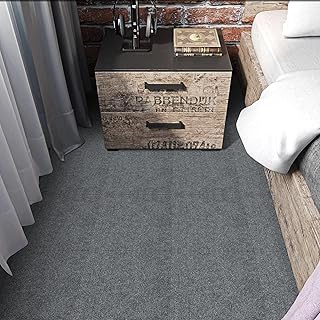
understanding long term savings with budget and premium flooring
When it comes to choosing flooring for your home, the options can be overwhelming. With various materials available, from laminate to hardwood, understanding the long term savings associated with budget and premium flooring is essential. This is particularly relevant in 2026, as homeowners are becoming increasingly aware of the importance of durable and cost-effective solutions. This article delves into the pros and cons of both budget and premium flooring, offering insights that can help you make an informed decision.
Budget Flooring Options
Budget flooring often appeals to homeowners looking to keep initial costs low. Options like laminate, vinyl, and carpet can be significantly cheaper than their premium counterparts. For instance, laminate flooring can be purchased for as little as 15 per square metre, making it an attractive choice for those on a tight budget.
One of the advantages of budget flooring is its ease of installation. Many products come with a click-lock mechanism that allows for simple DIY installation, saving on labour costs. Moreover, budget flooring tends to be available in a wide range of styles which can mimic the appearance of more expensive materials, providing aesthetic value without the hefty price tag.
However, while budget options may save money upfront, they may come with hidden costs in the long run. These materials typically have a shorter lifespan and may require replacement sooner than premium options. For example, laminate flooring usually lasts around 10 to 15 years, while premium hardwood can last over 50 years with proper care. Additionally, budget flooring may not hold up as well under heavy traffic or in areas prone to moisture, leading to further costs in repairs or replacements.
People Also Look For:
- Display Guru Anti Slip, Waterproof, Fireproof SPC Vinyl Flooring Floor Planks Home Office Kitchen Bedroom Bathroom and Restaurants...
- Ultimate 7mm Laminate Flooring - Ideal for Kitchen, Bedroom, Lounge, Loft & More | Compatible with All Underlay, Beading, and Tool...
- FLOREXP Vinyl Flooring - Lino Flooring,Peel & Stick Floor Tiles Self Adhesive Floor Tiles,2mm 36pcs Waterproof,for Kitchen Living ...
- CV Cusion Vinyl Flooring | PVC Decking Roll, Non-Slip Laminate Floor Covering (Foamed) Chevron Oak 907M Elegant Wood Effect Textur...
- Antique Oak Anti Slip Wood Effect Vinyl Flooring Lino (4m x 9m)
Premium Flooring Choices
On the flip side, premium flooring materials such as solid hardwood, engineered wood, and natural stone come with a higher price tag, often ranging from 50 to 100 per square metre. These options are renowned for their durability and timeless appeal. Premium flooring can elevate the visual appeal of your home, potentially increasing its value and attractiveness to future buyers.
Investing in premium flooring generally pays off in the long run. With a longer lifespan and better resilience, these materials require less frequent replacement. For instance, solid wood flooring can be refinished multiple times, which extends its life significantly. Additionally, premium options often come with better warranties, offering peace of mind to homeowners.
Moreover, premium flooring tends to have better energy efficiency. Materials such as cork and bamboo provide natural insulation, which can help in reducing heating costs over time. This energy efficiency, combined with lower replacement frequency, positions premium flooring as a more sustainable choice for the environment and your finances.
Cost-Benefit Analysis
In contrast, while premium flooring requires a larger initial investment, the reduced frequency of replacement and maintenance can ultimately lead to significant savings over time. Additionally, premium flooring can enhance the overall aesthetic and value of your home, making it a more worthwhile investment.
Practical Tips for Choosing Flooring
When deciding between budget and premium flooring, consider the following practical tips:
- Assess the area: High-traffic areas or spaces prone to moisture may require sturdier materials.
- Think about maintenance: Some materials may require more upkeep than others.
- Calculate your budget: Factor in not just the upfront cost, but also potential long-term savings.
- Consider resale value: Premium flooring may increase your home's market value.
Ultimately, the decision between budget and premium flooring will depend on your specific needs and financial situation. Understanding the long term savings associated with each option can help you make the right choice for your home.