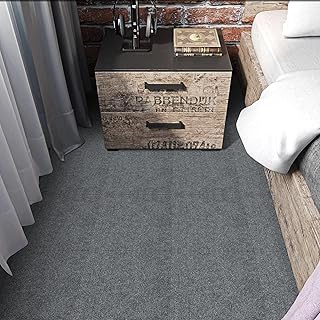
key considerations for selecting flooring that complements decor
Choosing the right flooring is crucial for creating a harmonious and inviting environment in your home. With a multitude of options available, from hardwood to tiles, the task can feel overwhelming. However, by understanding key considerations, you can select flooring that not only meets your practical needs but also beautifully complements your decor.
Understanding Your Space
The first step in selecting the right flooring is to assess the space you are working with. Consider the size, shape, and purpose of the room. Open-plan spaces may benefit from a consistent flooring type that flows seamlessly throughout, while smaller rooms can be enhanced with contrasting textures or shades. Additionally, think about the natural light available in the room. A flooring material that reflects light can make a small, dark room appear larger and brighter.
Matching Flooring with Existing Decor
Your flooring should harmonise with your existing decor. Take note of your current colour scheme, furniture style, and decorative elements. For instance, if you have a modern aesthetic with clean lines and neutral tones, a sleek laminate or polished concrete could enhance the overall look. Conversely, if your decor leans towards a rustic charm, consider the warmth of reclaimed wood or natural stone tiles. Aim for complementary tones that will not clash with your furnishings but instead create a cohesive look.
People Also Look For:
- Laminate Flooring Planks Floorboard Planks Waterproof Solid Planks for Living Rooms, Kitchens, Bedrooms, Size- 122 X 20cm Thicknes...
- ybaymy Garage Floor Mats, 1 x 5m Waterproof Anti Slip Rubber Floor Mats, 3mm Thick Heavy Duty Rubber Flooring Matting Roll for Gar...
- Russell Hobbs Upright Steam Mop, 1.4kW Power, 380ml Water Tank, 30-Second Heat-up, 15-Minute Run-Time, Sealed Hard Floors, Tiles, ...
- Pacific Pale Oak Anti Slip Wood Effect Vinyl Flooring Lino (3m x 4m)
- ð…ð‹ðŽð‘ð„ð—ð Vinyl Flooring - Lino Flooring with Washed Grey Effect,Peel and Stic...
Practical Considerations
While aesthetics are vital, practicality should not be overlooked. Different flooring materials come with varying levels of durability and maintenance. For high-traffic areas, such as hallways or living rooms, you might want to opt for a hard-wearing option like vinyl or engineered wood, which can withstand wear and tear while remaining visually appealing. Additionally, consider the ease of cleaning. If you have pets or young children, a flooring option that is stain-resistant and easy to maintain will be beneficial.
Texture and Finish
The texture and finish of your flooring can significantly impact the overall feel of a room. Smooth finishes tend to convey a contemporary vibe, while textured surfaces can add depth and interest. For example, a matte finish can create a more relaxed atmosphere, while a glossy finish can offer a touch of elegance. When selecting texture, also think about the tactile experience. A soft carpet may provide comfort underfoot in a bedroom, while a cool tile could be more suitable for a kitchen.
Environmental Considerations
In 2026, sustainability is more crucial than ever when selecting flooring. Many consumers are now looking for eco-friendly options that reduce their carbon footprint. Materials such as bamboo or cork are renewable and offer unique aesthetics. Moreover, consider the source and manufacturing processes of your flooring. Look for certifications that indicate responsible sourcing and low VOC emissions to ensure a healthier indoor environment.
Budget Constraints
Finally, keep your budget in mind as you make your flooring selection. Flooring can vary widely in price based on material, brand, and installation costs. It is essential to balance quality with affordability. While it may be tempting to opt for the cheapest option, investing in quality flooring can save you money in the long run through durability and reduced maintenance costs. Get multiple quotes and consider the total cost of ownership to make an informed decision.